RFID in Logistics and Supply Chain Improve Visibility Accuracy and Efficiency
Still relying on manual scanning and outdated tracking systems in your logistics operations? That’s exactly where inefficiencies, delays, and inventory errors start.
RFID enables real-time tracking, automated data capture, and full visibility from warehouse to delivery.
What is RFID in Logistics and Supply Chain
RFID is a wireless identification technology that uses radio waves to track and manage assets automatically. A complete RFID system includes:
- RFID tags (attached to goods, pallets, or assets)
- RFID readers (fixed or handheld)
- Software integration (WMS / ERP systems)
Unlike barcodes, RFID allows non-line-of-sight scanning and can read multiple items simultaneously—making it ideal for high-volume logistics environments.
Why RFID is Critical for Modern Logistics
Traditional supply chain systems struggle with:
- Manual inventory errors
- Lack of real-time visibility
- Slow processing speeds
- Asset loss and misplacement
RFID directly solves these issues by digitizing and automating tracking processes.
Key Benefits of RFID
1. Real-Time Inventory Visibility
RFID enables continuous tracking of goods across warehouses and transportation routes.
- Monitor stock levels instantly
- Track shipments in real time
- Reduce lost inventory
2. High Inventory Accuracy (95%+)
Automated data capture eliminates manual errors and enables:
- Faster stocktaking
- Accurate inventory records
- Reduced shrinkage
3. Faster Warehouse Operations
RFID significantly improves operational speed:
- Bulk scanning without line-of-sight
- Faster receiving and dispatch
- Reduced labor dependency
4. End-to-End Traceability
Each RFID tag carries a unique ID, enabling full lifecycle tracking:
- From manufacturing to delivery
- Supports compliance & recalls
- Improves product accountability
Track returnable transport items (RTIs) such as:
- Pallets
- Containers
- Cages
RFID Applications in Logistics
Warehouse Management
- Real-time stock tracking
- Automated inventory counting
- Smart picking & packing
Transportation & Fleet Tracking
- Monitor shipment movement
- Track containers and vehicles
- Improve delivery efficiency
E-commerce Fulfillment
- Faster order processing
- Reduce picking errors
- Improve customer satisfaction
Recommended RFID Products for Logistics
To build an effective RFID logistics solution, the following products are commonly used:
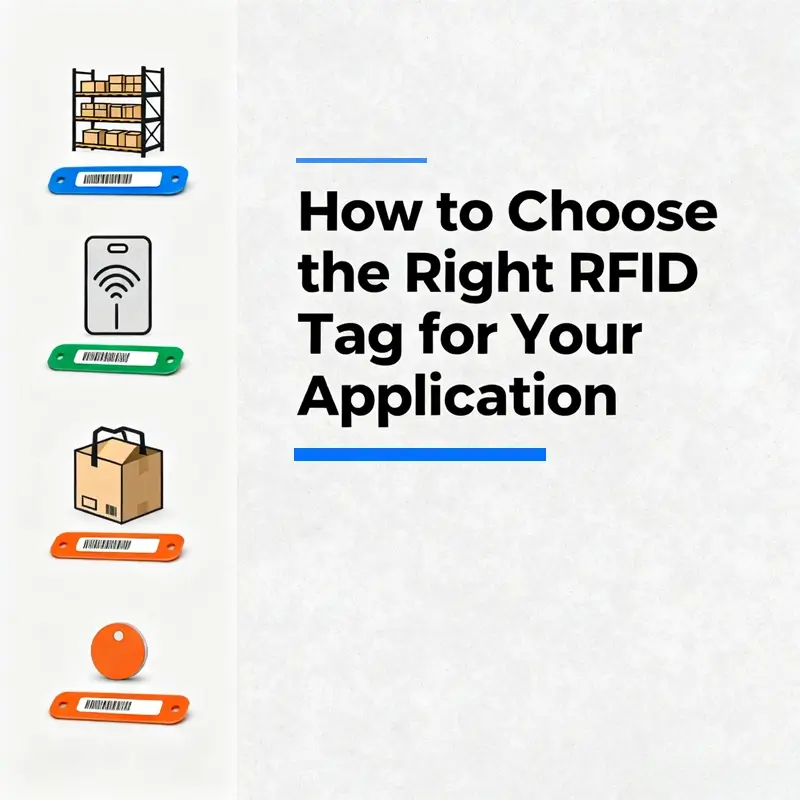
1. RFID UHF Labels
- Cost-effective for large-scale deployment
- Ideal for cartons, packages, and pallets
2. RFID Anti-Metal Tags
- Designed for metal containers and assets
- Stable performance in harsh environments
3. RFID Hard Tags
- Durable and reusable
- Suitable for long-term asset tracking
4. RFID Readers (Fixed & Handheld)
- Fixed readers for gates and checkpoints
- Handheld readers for flexible operations
RFID vs Barcode
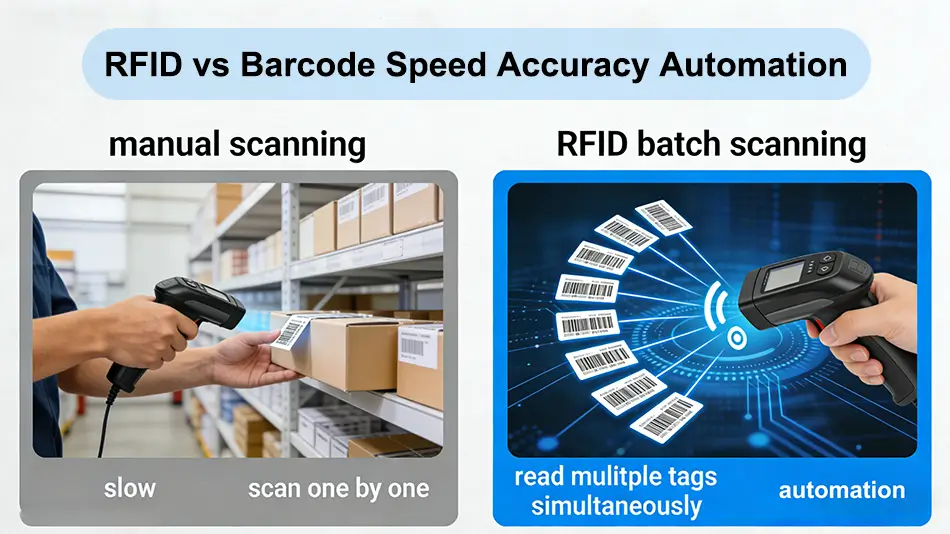
| Feature |
RFID |
Barcode |
| Line of sight |
No |
Yes |
| Bulk reading |
Yes |
No |
| Efficiency |
High |
Medium |
For growing logistics operations, RFID is no longer optional—it’s a competitive advantage.
Implementation Considerations
Before deploying RFID, consider:
- Tag selection (environment, material, range)
- System integration (WMS/ERP compatibility)
- Infrastructure setup (readers, antennas)
A well-designed RFID solution ensures fast ROI and scalability.
RFID is revolutionizing logistics and supply chain management by delivering:
- Real-time visibility
- High inventory accuracy
- Faster operations
- Reduced costs
For businesses aiming to scale and optimize operations, RFID is a proven, future-ready solution.