Goods Anti-counterfeiting Applications: How RFID Protects Brand Authenticity
Counterfeit goods have become a global challenge across industries such as retail, pharmaceuticals, electronics, and luxury products. The rapid expansion of global supply chains has made it easier for fake products to enter the market, causing significant financial losses and damaging brand reputation.
Studies show that counterfeit trade has cost manufacturers billions of dollars and continues to impact consumer trust and safety.
To address this issue, RFID (Radio Frequency Identification) technology has emerged as a powerful and scalable anti-counterfeiting solution, enabling real-time product authentication and full supply chain transparency.
What Is RFID Anti-counterfeiting?
RFID anti-counterfeiting is a technology that embeds RFID tags into products, packaging, or labels. Each tag contains a unique identification code (UID), which cannot be easily duplicated or altered.
An RFID system typically consists of:
- RFID Tag (attached to product)
- RFID Reader (for scanning)
- Backend System (database & authentication platform)
With this system, businesses can verify product authenticity at any stage—from manufacturing to end-user purchase.
How RFID Prevents Counterfeiting
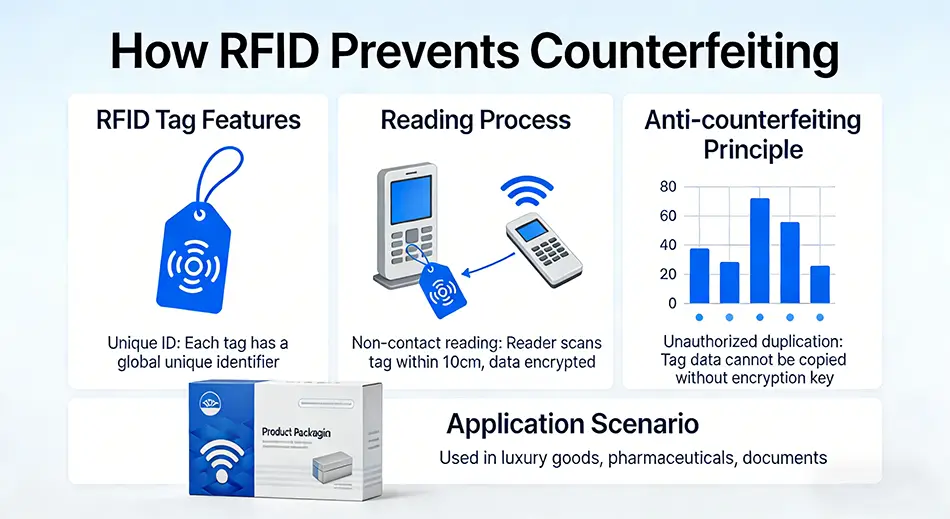
1. Unique Product Identification
Each product is assigned a unique digital identity (UID), making duplication extremely difficult. Even if counterfeiters copy packaging, they cannot replicate the RFID chip data.
2. Real-time Tracking & Traceability
RFID enables full visibility across the supply chain. Companies can track products from factory to warehouse to retail stores, ensuring authenticity at every step.
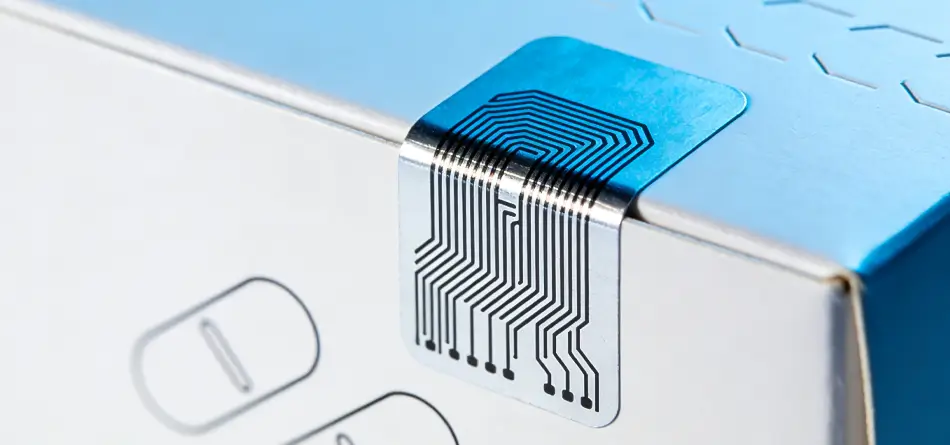
3. Tamper-proof Tag Design
RFID tags can be designed as fragile or one-time-use labels. Once removed or tampered with, they become invalid, preventing reuse on counterfeit goods.
4. Consumer Verification
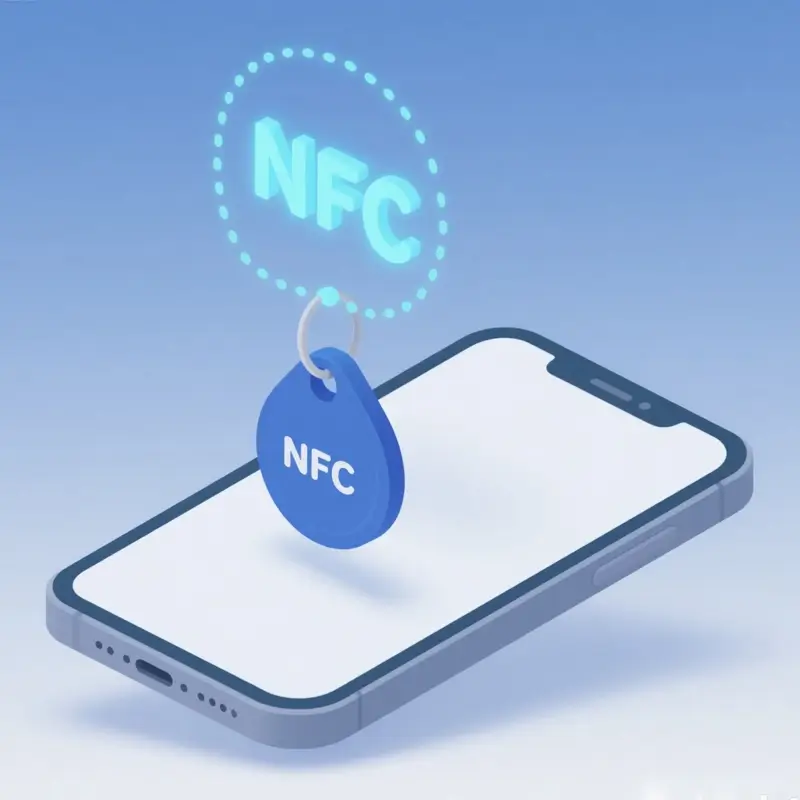
Customers can scan products (via NFC-enabled smartphones or dedicated devices) to instantly verify authenticity, enhancing trust and user experience.
Key Applications of Goods Anti-counterfeiting
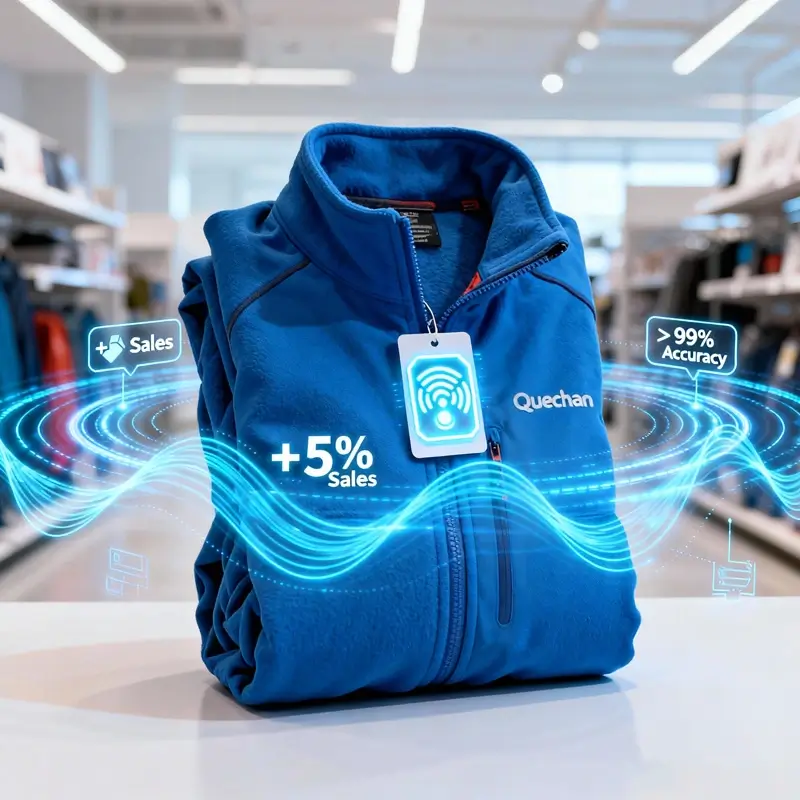
1. Retail & Apparel Industry
RFID is widely used in fashion and apparel to protect brand identity and prevent fake goods.
- Track product origin and distribution channels
- Prevent gray market reselling
- Authenticate luxury items
Case studies show RFID helps brands maintain supply chain transparency and protect “Made in origin” claims.

2. Pharmaceuticals & Medical Supplies
Counterfeit drugs and medical products pose serious health risks. RFID ensures:
- Drug authentication
- Batch traceability
- Anti-tampering verification
This significantly reduces risks associated with fake medicines and unsafe materials.
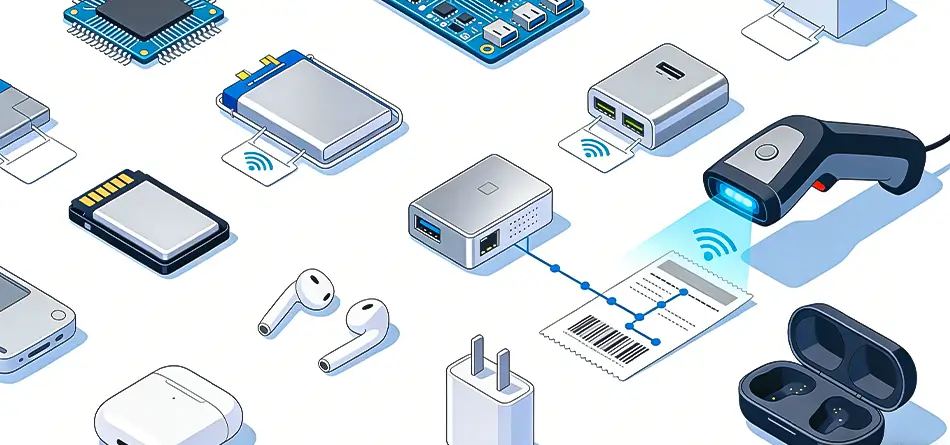
3. Electronics & High-value Goods
High-margin products like electronics are frequent targets for counterfeiting. RFID helps:
- Verify genuine components
- Prevent warranty fraud
- Track distribution channels
Many manufacturers use RFID to protect consumables and accessories from being replicated.
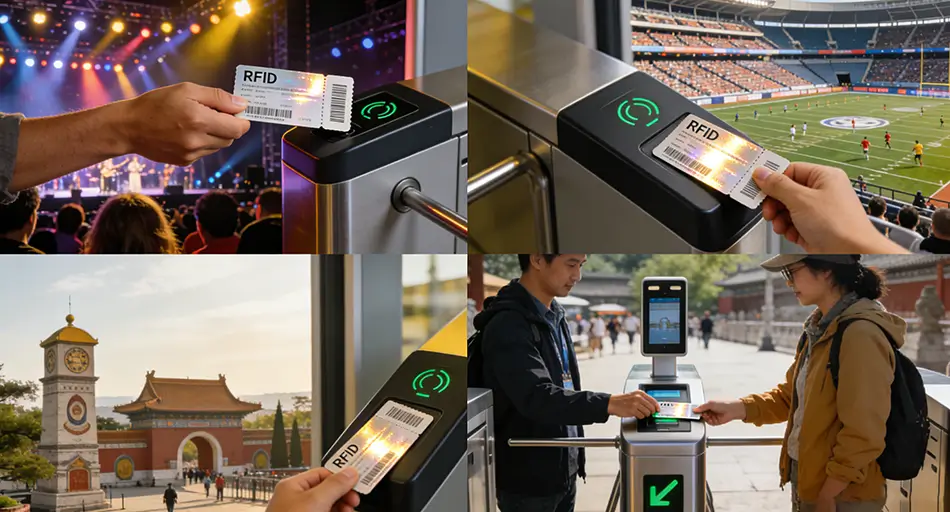
4. Ticketing & Event Management
RFID tickets are widely used in concerts, sports events, and tourism.
Benefits include:
- Prevent fake tickets
- Fast entry verification
- Real-time attendance tracking
This improves both security and operational efficiency.
5. Government & ID Security
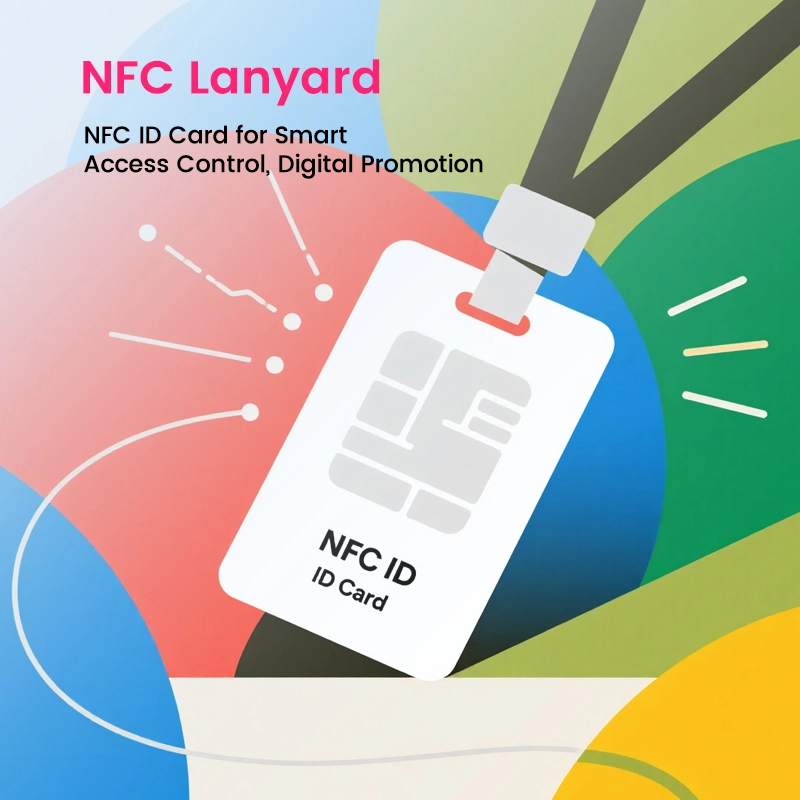
RFID is embedded in passports, ID cards, and official documents to ensure authenticity.
- Encrypted data storage
- Anti-cloning protection
- Secure identity verification

Benefits of RFID Anti-counterfeiting
Implementing RFID-based anti-counterfeiting solutions offers several advantages:
- Brand Protection – Prevent counterfeit products from entering the market
- Supply Chain Visibility – Real-time tracking and monitoring
- Consumer Trust – Easy product verification
- Operational Efficiency – Automated authentication processes
- Data Insights – Improved inventory and distribution analysis
RFID not only combats counterfeiting but also enhances overall supply chain management and business intelligence.
Challenges and Considerations
While RFID is highly effective, businesses should consider:
- Initial implementation cost
- Integration with existing systems
- Data security and privacy
- Tag cloning risks (requiring secure encryption solutions)
Advanced technologies such as blockchain and IoT integration are increasingly being combined with RFID to further enhance anti-counterfeiting capabilities.
As counterfeit products continue to threaten global markets, RFID technology provides a reliable and scalable solution for goods authentication.
By enabling unique identification, real-time tracking, and consumer-level verification, RFID empowers brands to protect their products, maintain trust, and optimize supply chain operations.
For businesses looking to strengthen anti-counterfeiting strategies, adopting RFID is no longer optional—it is becoming a critical competitive advantage.